- Home
- About Us
- Products
- MS / SS Reboiler
- MS / SS Industrial Blender
- Self-supported Chimney
- Effluent Treatment Plant
- Water Treatment Plant
- MS & SS Reactor With Limpet Coils
- MS & SS Reactor With Jacket
- MS Reactor
- SS Reactor
- Tubular Reactor
- MS Autoclave
- SS Autoclave
- SS Horizontal Storage Tank
- MS Horizontal Storage Tank
- SS Vertical Storage Tank
- MS Vertical Storage Tank
- Aluminium Storage Tanks
- SS Horizontal & Vertical Measuring Tanks
- MS Horizontal & Vertical Measuring Tanks
- SS Vacuum Receiver / Air Receiver Tank
- MS Vacuum Receiver / Air Receiver Tank
- Shell And Tube Heat Exchanger
- Fin Tube Heat Exchanger
- U Tube Heat Exchanger
- Fractional Distillation Column
- Vacuum Distillation Column
- Industrial Blender
- Updates
- Gallery
- Contact Us
MS Reactor Suppliers In Kalba
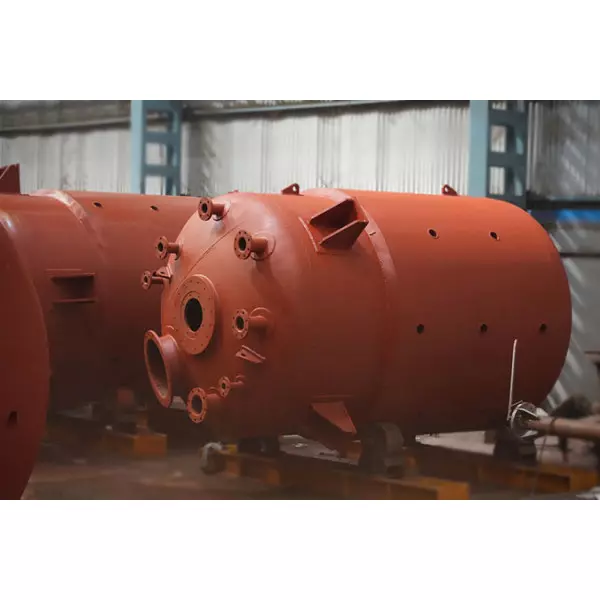
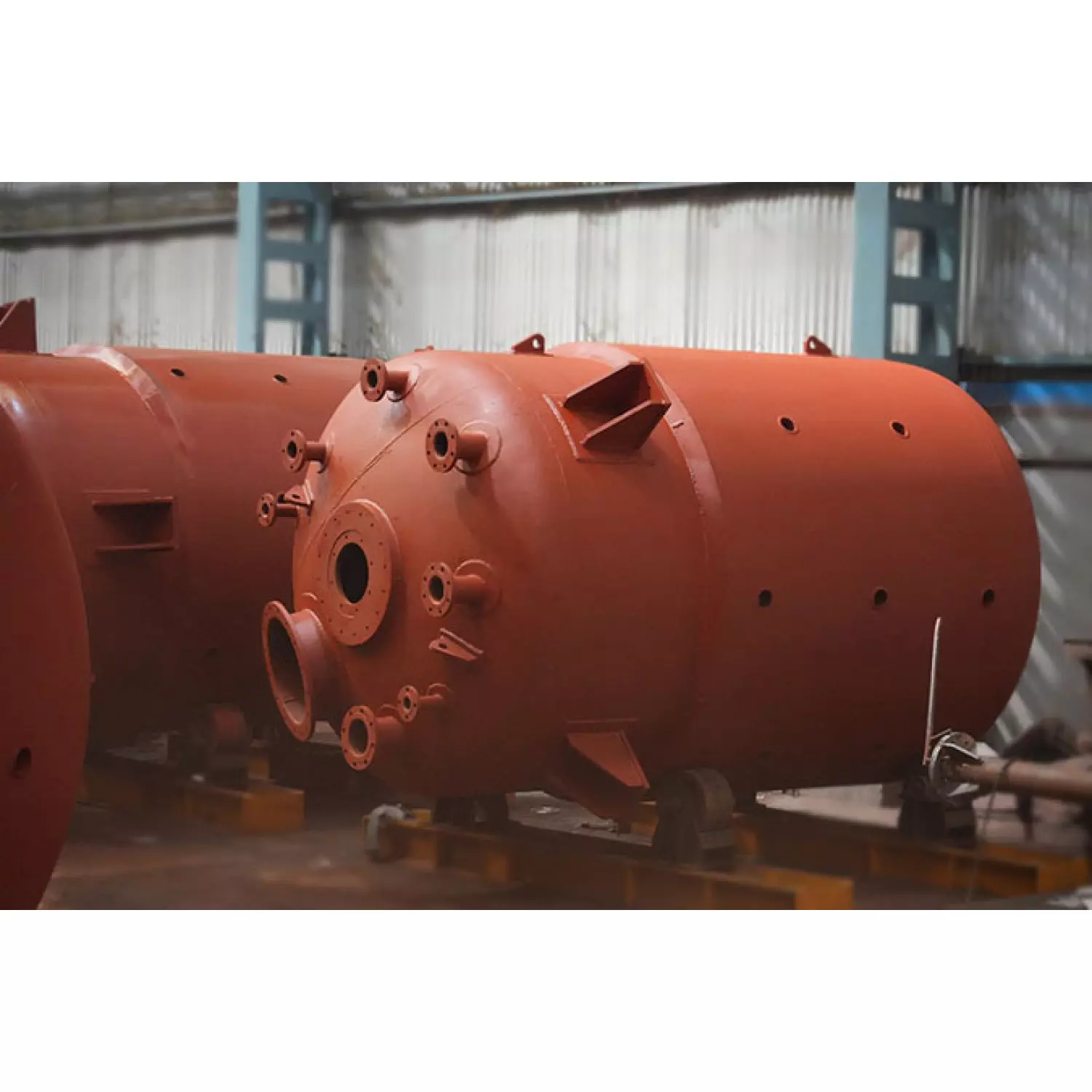
Details of MS Reactor
An MS Reactor is a type of pressure vessel that’s widely used across different industries to conduct chemical reactions while keeping temperature and pressure in check. These reactors are celebrated for their strength and affordability, making them a great choice for processes that are either non-corrosive or only mildly corrosive. You’ll typically see MS Reactors in the chemical, paint, pharmaceutical, and food processing industries. Plus, they can be customized with jackets, agitators, or insulation to suit the unique needs of each process.
Offered Product

MS Reactor
An MS Reactor Vessel Typically Refers To A Reactor Constructed From Mild Steel (MS), Which Is A Common Material Used In Various Industrial Applications Due To Its Good Mechanical Properties And Cost-effectiveness. These Vessels Are Used For Chemical Reactions, Mixing, And Other Processes In Industries Such As Pharmaceuticals, Agrochemicals, Dyes & Intermediates, And Food Processing.Key Features:Material: Mild Steel Is Favored For Its Strength And Ductility, Though It May Require Protec... Read moreMS Reactor Exporter In Al Dhafra
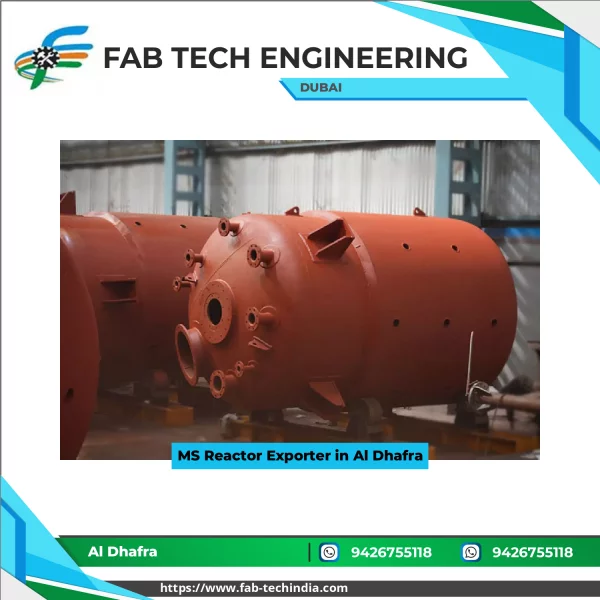
We Focus On Supplying MS Reactors To Al Dhafra, Making Sure Every Unit Matches Client Needs And Keeps Up With Industrial Standards. The Reactors Come Built Strong For Tough Chemical Processing Tasks, Holding Up Well Even Under Pressure And Heat.Reactor Size Varies Depending On The Job, From Small Batch Reactors To Large Continuous Systems. We Handle Each Project Based On Drawings Or Specs Sent By Clients, Adapting Design Details To Fit Unique Process Demands. Our Team Handles Fabrication Closely Continue
MS Reactor Supplier In Ar Ruways
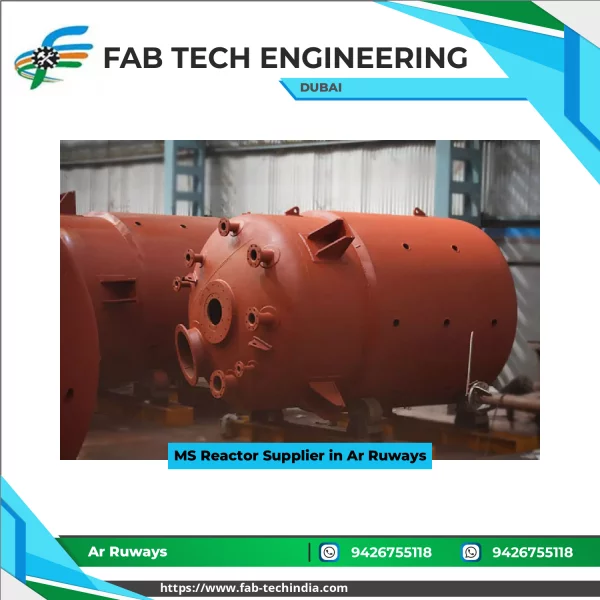
We Work As A Steady MS Reactor Supplier In Ar Ruways, Focusing On Products Built To Last With Solid Design And Reliable Function. Our Reactors Suit Different Process Needs Where Strength And Resistance Matter Most.Reactor Parts Use Strong Metal To Handle Tough Chemicals And Pressure. The Design Matches Client Drawings Or Custom Demands, Keeping Safety And Long Use In Mind. We Take Care Of Material Choice, Build Quality, And Testing Before Delivery.Protection Of Designs And Know-HowOwnership: Com Continue
MS Reactor With Jacket Manufacturers In Kalba
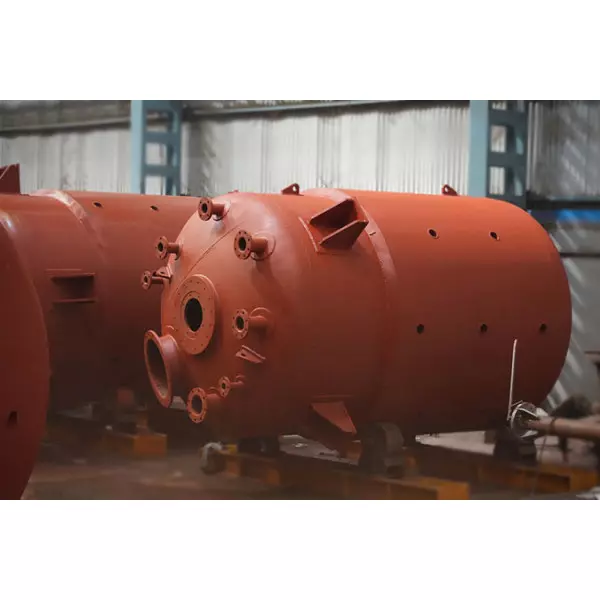
An MS Reactor With A Jacket Is A Tough Mild Steel Container That Comes With An External Jacket. This Design Allows For Indirect Heating Or Cooling Of The Materials Within. The Jacket Functions As A Conduit For Thermal Fluids Such As Steam, Hot Oil, Or Chilled Water, Which Circulate Around The Vessel To Ensure Even Temperature Control During Mixing Or Chemical Reactions. These Reactors Are Built To Last, Are Budget-friendly, And Work Well With Non-corrosive Or Moderately Reactive Materials.Wher Continue